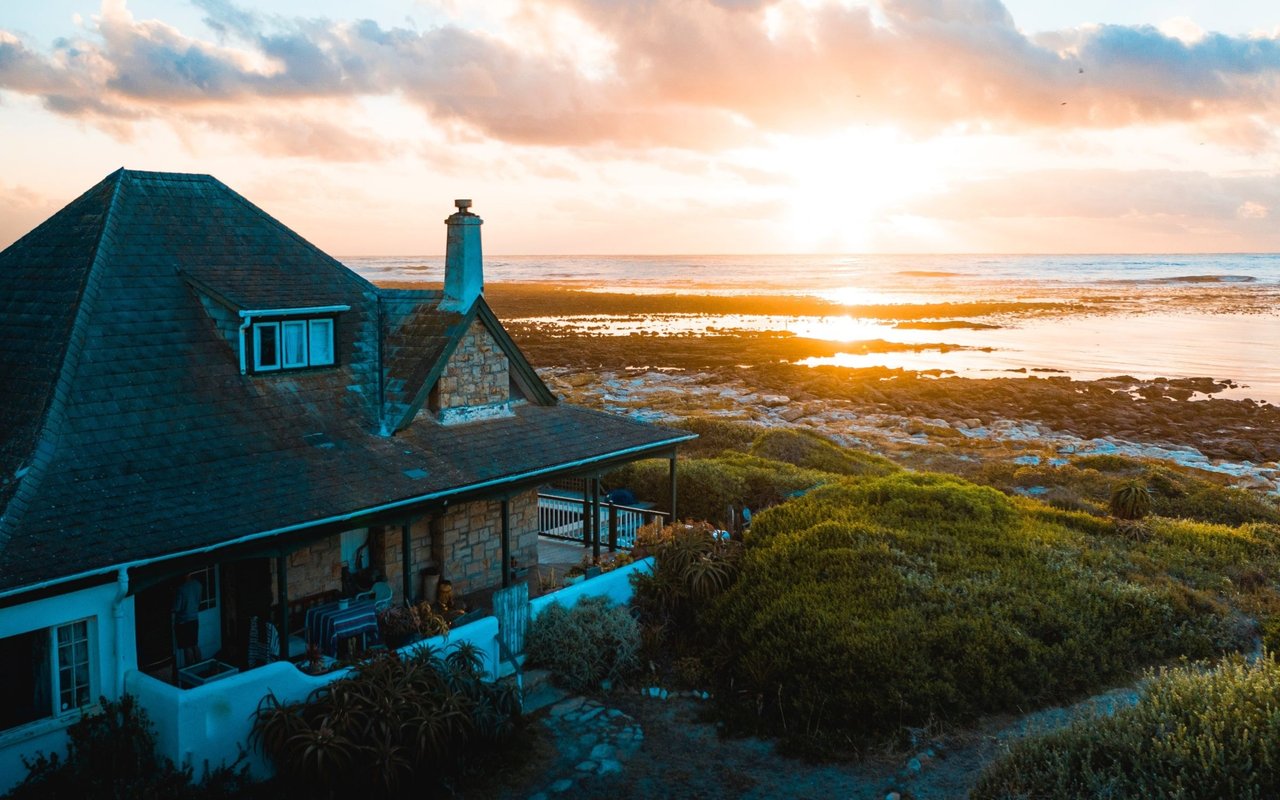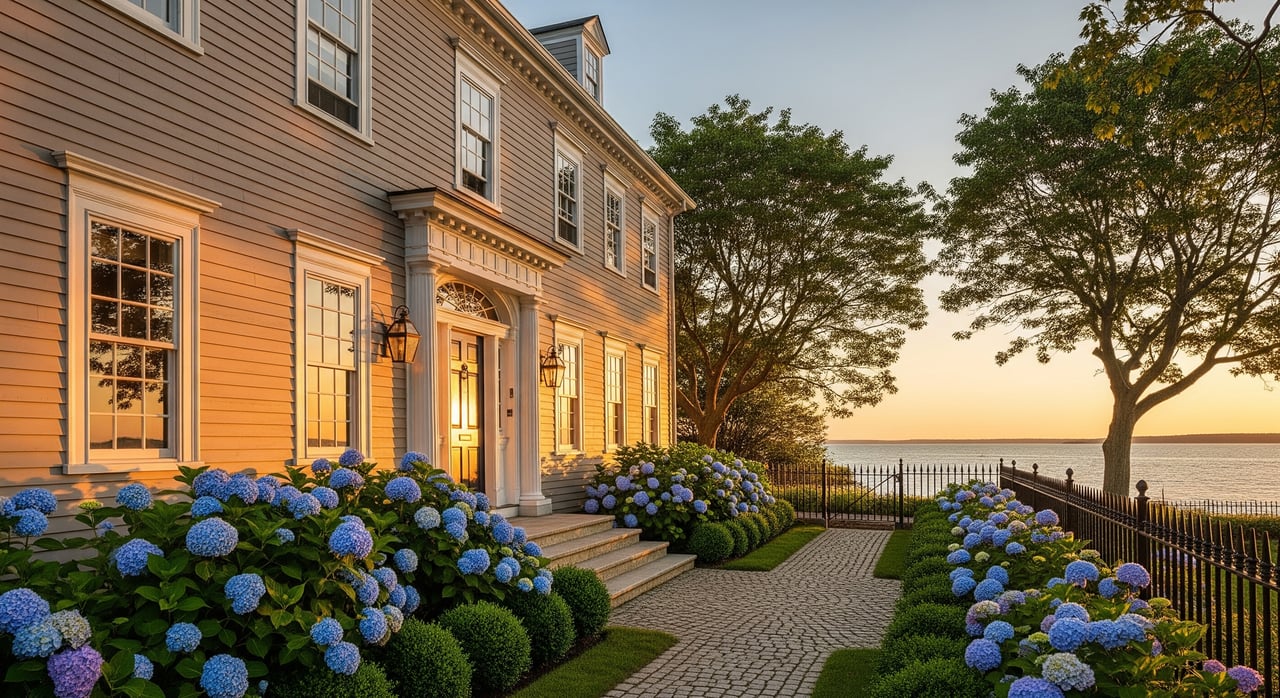
Love the look of cedar shingles, old-growth woodwork, and a short stroll to the harbor? If The Point in Newport has your heart, you are not alone. Historic homes here offer rare character along a peaceful, walkable waterfront setting. In this guide, you will learn how preservation rules work, what systems to expect in older houses, how coastal conditions affect maintenance, and the smart steps to take before you buy. Let’s dive in.
Why The Point draws historic-home buyers
The Point blends maritime history with small-lot charm, where porches, rooflines, and period details create a true sense of place. Many homes retain original exterior character from the 18th and 19th centuries alongside later Victorian-era updates. You get the lifestyle appeal of a pedestrian-scaled neighborhood close to the water. You also take on stewardship responsibilities that protect the neighborhood’s historic fabric.
How historic oversight works in Newport
Local review and approvals
Many properties in The Point fall within local historic areas where exterior changes visible from the street require approval from the City of Newport’s Historic District Commission. Typical projects that need review include replacing siding, windows, porch elements, roofing, or building an addition. Some minor work, like certain paint color changes, may not require full review, but you should confirm the rules for your specific property before you plan a project. Allow extra time for permitting since Commission review usually precedes building permits.
Designations and incentives
A home can have different types of designation. A local historic district typically governs exterior appearance at the municipal level. National Register listing is mostly honorary by itself, though it can help with eligibility for certain programs. State-level listings work similarly for incentives. The federal 20 percent Historic Rehabilitation Tax Credit applies to qualified work on income-producing properties, so it does not usually cover owner-occupied single-family homes. State or local grants and loan programs change over time, so verify current options with Rhode Island preservation agencies and the City of Newport.
Common features in The Point homes
Exteriors you will see
You will often see wood clapboard or cedar shingles with narrow profiles and painted finishes. Roofs may be wood shingles or slate; some cottages have metal roofing. Brick or stone chimneys and foundations are common, with older masonry typically laid in historic lime-rich mortar. Decorative trim, turned porch posts, and divided-light wood windows are character-defining details that are usually repaired rather than replaced.
Interiors and framing
Expect plaster on wood lath, original plank floors, and period staircases and mouldings. Older structures can be heavy timber or post-and-beam. Later 19th-century homes may show balloon framing or early platform framing techniques. These materials contribute to the home’s feel and should guide your repair approach.
Systems to expect
Older wiring, including knob-and-tube or cloth-insulated conductors, may still be present. You might find cast-iron or galvanized plumbing and older steam or hot-water boilers. Many homes transitioned from oil or coal to newer fuel systems over the decades. Plan for an electrical service evaluation and a plumbing and heating review during inspections.
Coastal climate realities
Salt air can speed corrosion on metal fasteners, flashings, and coatings. Wood dries more slowly in coastal humidity, which increases the risk of rot if maintenance slips. Storms test roofs, gutters, and flashing systems, and low-lying areas face higher moisture exposure at foundations and sill plates. Proactive drainage and envelope work protect both structure and finishes.
Maintenance musts for longevity
- Exterior paint and woodwork. Keep paint systems intact and caulking tight to prevent moisture intrusion. Small repairs early save major repairs later.
- Roofing and flashings. Schedule regular roof inspections, especially for wood shingles and slate, and keep gutters clear to manage heavy coastal runoff.
- Chimneys and masonry. Check for mortar loss, spalling, and flashing issues. Use compatible mortar mixes when repointing older masonry.
- Windows and doors. Repair sash, add weatherstripping, and use storm windows to boost efficiency while preserving original profiles.
- Foundations and drainage. Maintain positive grading and functioning downspouts. Consider perimeter drains or trenches where appropriate.
Smart due diligence before you buy
Research and records
Start by confirming whether the property sits within a local historic district and whether it is a contributing structure. Review FEMA flood mapping for the address to understand insurance and mitigation needs. Ask the seller for maintenance logs, any past Historic District Commission approvals, and permits for major work.
Inspections that matter
Hire a home inspector experienced with historic properties. Bring in specialists as needed: a structural engineer for framing or foundation concerns, a roofer familiar with slate or wood, a licensed electrician, and plumbing and HVAC pros. Test for lead-based paint in pre-1978 finishes and check for asbestos in suspect materials. If the home lies in a mapped flood zone, obtain an elevation certificate and review flood mitigation history.
Questions to ask
- Which exterior changes will require Commission review for this specific property?
- What is original versus replaced on the siding, windows, and porch elements?
- What is the history of water intrusion, storm repairs, or flood events?
- Have electrical, plumbing, and heating systems been upgraded to current safety standards, and are permits on file?
- Are there easements, covenants, or neighborhood-specific restrictions beyond local historic rules?
Budget, timing, and contractors
Historic work often calls for specialized trades such as slate roofers, plaster specialists, millwork carpenters, and masonry conservationists. These pros typically charge more than general contractors because the work is precise and time-intensive. Projects that require Commission review add time to schedules, and careful restoration can take longer than replacement with modern materials. Build a maintenance and preservation contingency into your budget so you can address priority items without delay.
Flood risk and insurance basics
Waterfront proximity is part of The Point’s appeal, and it also raises exposure to coastal flooding and storm surge. Some properties will fall within FEMA flood zones, which may affect insurance requirements and costs. Elevating utilities, adding flood vents, or installing dry or wet flood-proofing measures can help mitigate risk where appropriate. An elevation certificate and a consultation with your insurance provider will clarify options and expected premiums.
Resources to keep handy
- City of Newport Historic District Commission for procedures and approvals.
- Newport Historical Society and Preservation Society of Newport County for neighborhood context and best practices.
- Rhode Island Historic Preservation & Heritage Commission for state-level programs and guidance.
- National Park Service guidance, including the Secretary of the Interior’s Standards and Preservation Briefs for technical how-tos.
- FEMA flood maps and your insurance agent for risk and coverage guidance.
Ready to explore The Point?
If you want period charm and waterfront lifestyle, a historic home in The Point can be a great fit. With the right plan for approvals, inspections, and maintenance, you can preserve value and enjoy the things that make this neighborhood special. Our team pairs neighborhood expertise with digital-first processes like our Digital Buyers Consult to help you move efficiently, including remote tours and swift coordination with the right specialists.
Have questions about a specific property or a renovation plan? Reach out to Devin Sheehan for local guidance tailored to your goals. When you are ready, connect with Devin Sheehan to take the next step.
FAQs
Do I need Historic District approval to replace windows in The Point?
- Many properties in The Point require local review for exterior changes visible from the street. Window replacement often needs approval, while in-kind repairs and storm windows may be treated differently. Confirm requirements with the City of Newport before starting any work.
Are there tax credits for owner-occupied historic homes in Newport?
- The federal 20 percent Historic Rehabilitation Tax Credit applies to qualified work on income-producing properties, not typically on owner-occupied single-family homes. State and local programs change, so check current options with Rhode Island preservation agencies and the City of Newport.
What should I look for during a showing of an 18th-century cottage in The Point?
- Check roof condition and flashing, look for rot at sills and porch framing, note any signs of moisture in the basement or crawlspace, and ask about electrical service, plumbing materials, and heating system age. Plan for lead paint and possible asbestos testing.
How does flood insurance affect homes near the water in The Point?
- If a property is in a mapped FEMA flood zone, lenders may require flood insurance. An elevation certificate helps determine premiums and mitigation needs. Review any past flood events and discuss coverage options with your insurance provider.
Can I improve energy efficiency without replacing historic windows?
- Yes. Sash repair, weatherstripping, and exterior or interior storm panels can significantly improve performance while preserving original wood windows and historic muntin profiles.