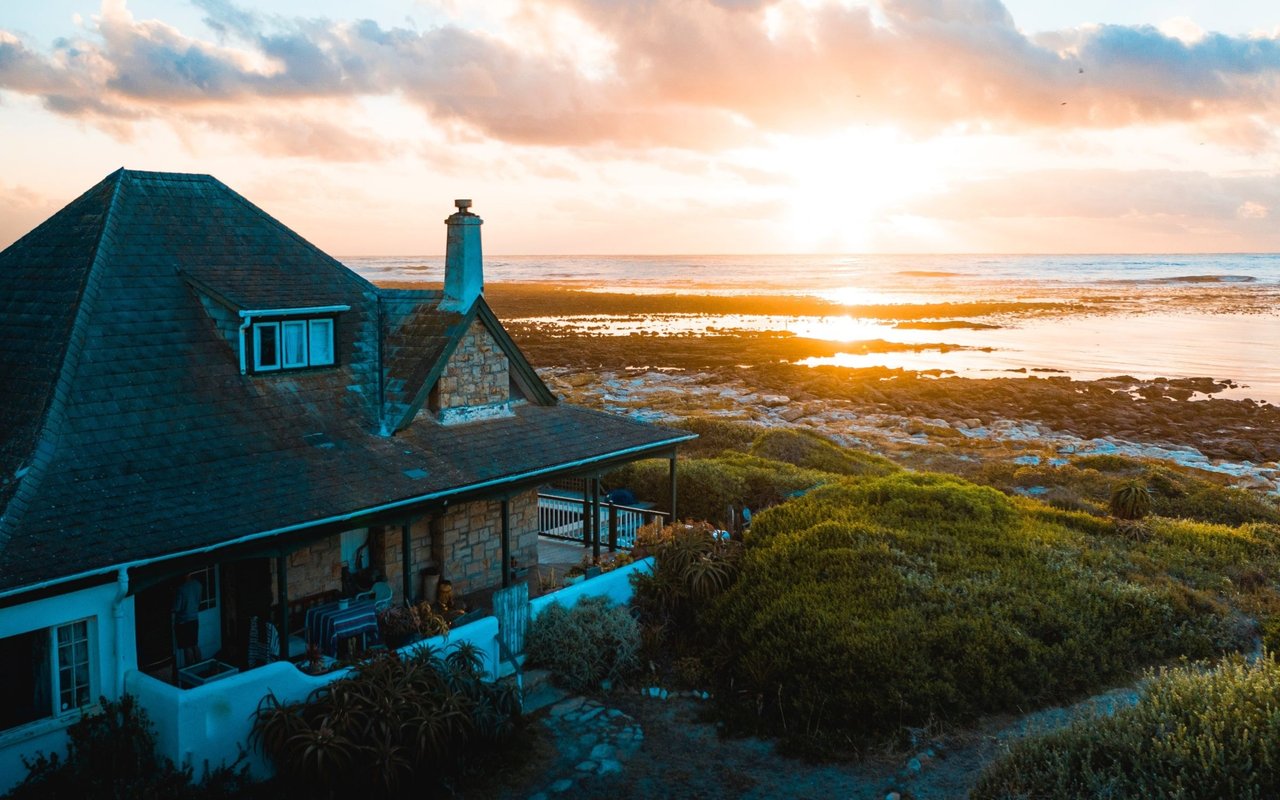
Love Newport’s coastline but wish the pace were a little calmer? Jamestown gives you the same world-class water views with a quieter, small‑town feel. If you are exploring whether Conanicut Island fits your lifestyle, this guide breaks down the neighborhoods, outdoor highlights, boating scene, commute options, seasonal rhythms, price signals, and the key tradeoffs to weigh. By the end, you will know what waterfront living looks like here and how to approach your search with confidence. Let’s dive in.
Jamestown at a glance
Set almost entirely on Conanicut Island in Narragansett Bay, Jamestown is a compact coastal town with about 5,559 residents, and roughly 72 percent of its area is water, according to the Town of Jamestown. Two bridges connect the island to the mainland and Newport, which makes daily life convenient while keeping the vibe serene. You will find a walkable village center, a robust boating community, and state parkland that defines the landscape.
If you want the energy of Newport within reach but prefer quieter streets, Jamestown often hits the sweet spot.
Neighborhoods on the water and near it
Jamestown Village and Narragansett Avenue
This is the island’s walkable core. You can stroll to restaurants, cafés, small shops, and services. Buyers choose the village for year‑round convenience, a friendly main‑street feel, and quick access to the waterfront at East and West Ferry.
East and West Ferry, Conanicut Marina
If boating is your thing, this is where you will feel the pulse. Conanicut Marina anchors the working waterfront with transient and seasonal slips, launch service, and full‑service support. Check Conanicut Marina’s services and seasonal options early if you plan to keep a boat, since slip or mooring availability can be competitive in peak season.
Beavertail and Fort Wetherill
The southern peninsula is dramatic and open, shaped by state parkland and ocean exposure. Beavertail State Park and its lighthouse offer sweeping views, and nearby Fort Wetherill features rocky cliffs and popular diving spots. For details on park amenities and planning, see the state’s Beavertail master plan materials. Private development is limited here, which helps preserve the area’s natural character.
Fort Getty and the West Passage
Fort Getty is a town park and seasonal campground with a boat ramp and shoreline access. The immediate area feels more recreational than residential, which is a plus if you prize open space and launch access.
Jamestown Shores and inland streets
Away from the village and parks, you will find quieter residential pockets with a mix of mid‑century homes, classic coastal cottages, and renovated properties. Water views vary by street and elevation. Many lots rely on septic or have specific rules for water and sewer connections, so utility checks belong on your due‑diligence list.
Everyday life on Conanicut Island
Parks you will use
Two island landmarks shape the lifestyle: Beavertail State Park for lighthouse views and walking paths, and Fort Wetherill for shorefront trails and diving. Fort Getty adds camping and a ramp for boaters. These public spaces bring scenic access without leaving town. Review the state’s park planning documents for context on facilities and future improvements.
Dining and services
Jamestown’s village supports a handful of year‑round restaurants, cafés, and small shops. Hours often expand in summer and scale back in winter. For a broader dining and shopping scene, you will drive or ferry to Newport. For current dining options, check the local chamber’s listings.
Marinas and boating support
Between Conanicut Marina and nearby boat yards, the island covers storage, haul‑outs, repairs, and seasonal dockage. If you expect to arrive with a boat, start conversations early about slips, moorings, and waitlists. Conanicut Marina’s site is a helpful first stop.
Getting around: bridges and ferry
Drive times
Jamestown to Newport is often a 10 to 15 minute drive in normal conditions via the Pell Bridge. Commutes to Providence clock in around 35 to 45 minutes depending on route and traffic. Use a tool like Travelmath’s drive-time estimate as a baseline, then test your own commute at peak times.
Ferry option
In season, a private passenger ferry connects Jamestown to downtown Newport. This hop‑on option is a nice perk for non‑drivers and a fun way to reach events or dinner. See RIPTA’s Jamestown page for a sense of seasonal schedules and connections.
Seasonal rhythms on the island
- Summer: busier waterfronts, fuller restaurant hours, and increased ferry traffic.
- Spring and fall: calmer streets and great outdoor weather.
- Winter: the quietest time of year. Note that strong storms can cause short‑term flooding on low‑lying roads and causeways. Local reporting has documented temporary access issues during major storm surges, including along Mackerel Cove, Beavertail Road, and Conanicus Avenue. See the Jamestown Press coverage for examples.
Homes and prices: what to expect
You will see classic New England cottages, historic Victorians and Colonials, mid‑century homes, and newer or renovated waterfront properties. Village lots trade on walkability and convenience. Shorefront homes trade on views and access, with flood and insurance considerations that vary by elevation and exposure. If you plan changes to a historic property, review the state’s Jamestown historic survey materials and check local zoning early.
On pricing, multiple data providers show Jamestown as an upper‑end, low‑inventory market. Recent snapshots have ranged from a home value index near about 1.1 million dollars to median sale prices in the 1.35 to 1.4 million dollar band, depending on the provider and month. Because Jamestown is small, a few sales can swing medians from month to month. Treat any single metric as context, not a rule, and use date‑stamped sources when you compare.
Tradeoffs to weigh before you buy
- Limited retail and seasonal hours compared with Newport or larger mainland towns.
- Bridge dependence means commute times can stretch during peak tourist season or weather events.
- Water and sewer capacity is limited in parts of the island. Many homes rely on septic, and new connections can be constrained or costly. Review the town’s source‑water and wastewater context in this technical overview and confirm details with the local commission.
- Shoreline exposure can affect insurance, maintenance, and long‑term planning. Keep an eye on local resilience efforts and grant‑funded projects that target dune and shoreline protection, such as those highlighted by ecoRI News.
Buyer checklist for Jamestown
- Test-drive your commute at morning and evening peaks, in summer and off‑season.
- Ask for FEMA flood maps, elevation certificates if available, and any records of past storm impacts.
- Confirm whether the property connects to town water and sewer or relies on private systems, and get clarity on capacity, permits, and costs before you plan renovations.
- If a boat is essential, check slip and mooring waitlists and marina rules early.
- For families with children, note that Jamestown operates schools locally for K through 8. Confirm current high school arrangements and transportation.
- If you are buying in a historic area or planning exterior changes, review local and state historic guidelines before you design.
Is Jamestown a fit for you?
Choose Jamestown if you want big‑water scenery, strong access to parks and marinas, and a slower everyday rhythm, with Newport’s dining and events a short bridge or ferry ride away. Expect low inventory and a premium for homes with views or direct access. Plan for practical island details like utility checks, flood due diligence, and seasonal traffic.
If that balance fits your goals, let’s map your options and timing. For a local plan tailored to you, schedule a Digital Buyers Consult with Devin Sheehan.
FAQs
What makes Jamestown quieter than Newport for full-time living?
- Jamestown has a smaller population, more protected open space, and a compact village core, which spreads visitors out and keeps most residential streets calm outside peak summer.
How reliable is the Jamestown–Newport ferry for daily use?
- The ferry runs seasonally and is best treated as an amenity rather than a year‑round commute solution. Plan to drive over the bridge outside the ferry season.
What should I know about flood and storm exposure on the island?
- Some low‑lying roads and shorefront areas can see temporary flooding during strong storms. Check FEMA flood zones, elevation, and local storm history for each property.
Are there utility limits that affect renovations or additions?
- Yes. Water and sewer capacity is limited in parts of Jamestown, and many homes use septic. Always verify connection status and permitting pathways before design.
How do home prices in Jamestown typically compare to nearby areas?
- Jamestown is generally an upper‑end, low‑inventory market. Median prices can appear higher than nearby towns and may swing month to month because of small sample sizes.