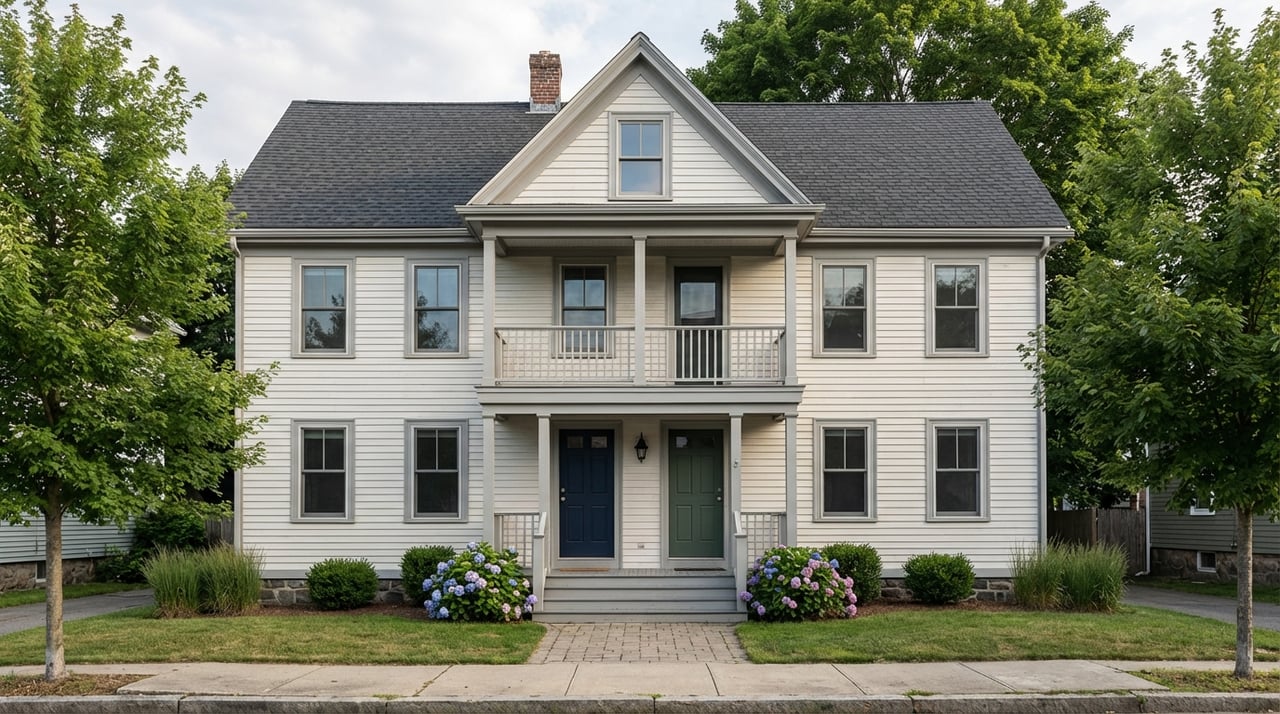
Thinking about buying a duplex or three-family in Bristol? You’re not alone. Small multifamily homes are a staple here, with steady demand from students, commuters, and long-term renters. The challenge is underwriting the numbers while staying ahead of Rhode Island’s rental registry and lead-safety rules. In this guide, you’ll see what local landlords watch: rent trends, tenant demand, the rules that change your cash flow, and a simple example you can run on a napkin. Let’s dive in.
Bristol multifamily at a glance
Bristol is a compact coastal town of about 22,000 people with a high owner-occupancy rate near 69 percent and a median household income around $96,000, according to recent Census estimates. These fundamentals support stable renter demand and buyer interest in small multis. You can review the latest town profile on the Census QuickFacts page for Bristol. Census QuickFacts shows population, income, and housing tenure.
You will see a lot of converted historic housing and classic small apartment stock. Duplexes and three-families are common, with occasional four-unit buildings. Properties cluster around downtown and older streets near the waterfront and East Bay Bike Path. Proximity to campus areas drives seasonal interest in select blocks, while most of town runs on a conventional year-long lease rhythm.
While single-family values get headlines, small multis in good condition trade quickly too. Typical home values in Bristol have been in the mid-500s based on recent indexes, which sets expectations for acquisition budgets. For investors, the mix of demand and limited supply often favors solid occupancy and careful tenant selection.
What rents and demand look like
When you study rents, it helps to compare two lenses.
- Survey baseline: The American Community Survey estimates Bristol’s median gross rent around 1,350 dollars. This multi-year survey lags today’s fast-moving listing prices but shows a structural baseline for the town. See the figure on Census QuickFacts for Bristol median gross rent.
- Live listings: Rental platforms that track active listings show higher current asking rents, with a recent median in the low 2,000s and two-bedrooms often around 2,100 dollars. Expect these listing-based numbers to move month to month.
Taken together, the gap between the survey and listing medians is normal in a small market with limited turnover. Your underwriting should lean on current comps for the unit type, size, condition, parking, and whether heat is included.
Vacancy and absorption
Rhode Island’s rental vacancy rate has been among the lowest in the country in recent measures, often in the low single digits. Tighter vacancy tends to mean faster lease-ups for clean, well-priced units and more competition for quality apartments. You can see statewide trends on this rental vacancy overview.
Who rents in Bristol
- Campus-adjacent renters and staff support steady leasing near academic areas.
- Local workforce and commuters, including hospitality and healthcare employees and Providence-bound professionals, value Bristol’s lifestyle and access.
- Longer-term renters, including many older residents and households who prefer stability, look for practical layouts, parking, and predictable utilities.
- Voucher holders and affordable-housing applicants are part of the market; the Bristol Housing Authority provides local programs. Accepting vouchers can reduce vacancy risk if your operations and unit standards are dialed in.
The rules that move your numbers
Rhode Island’s rental landscape is shaped by several high-impact rules. Getting them right protects your cash flow and your legal options.
Short-term rentals
- State registration is required for any listing offered for 30 nights or less. Hosting platforms must ensure registrations are valid. Start with the state rule and confirm local layers before you assume nightly or weekly rentals are allowed. You can review the statute in the Rhode Island public law for short-term rentals.
- Municipal rules: Towns may add permits, inspections, or zone limits. Call Planning and Zoning before you underwrite a hybrid strategy.
Rental registry and lead-safety certificates
- Rhode Island launched a statewide rental registry, with compliance tied into other landlord remedies. Deadlines and enforcement matter for small owners. You can review a summary update from the state association on the RI REALTORS registry deadline notice.
- Lead rules apply to most units built before 1978. You must obtain a Certificate of Lead Conformance or another acceptable certificate, maintain it, and provide it to tenants. Noncompliance can mean fines and limits on eviction remedies. Start early in due diligence because inspection and remediation can affect timing and budgets. Learn more from Rhode Island Department of Health’s landlord guidance.
Security deposits and notices
- Security deposits are capped at one month’s rent, and you must return the deposit or an itemized deduction notice with the balance within 20 days after the tenancy ends and you receive a forwarding address. See the statute summary for details in R.I. Gen. Laws § 34-18-19.
- For nonpayment cases, Rhode Island provides a five-day demand after rent is 15 days overdue before you can file. For many lease violations, a 20-day cure or quit notice is required. Procedural accuracy matters. Review the notice requirements in Title 34 and keep your forms current.
Permits, zoning, and historic review
- Creating a new unit, altering egress, replacing major systems, and other significant work requires permits and inspections. Budget time for plan review and inspections. Start with the town’s Building Inspection and permitting page.
- Zoning varies by district and historic overlays. Some conversions need special permits or variances. Confirm parcel-level zoning with Planning and Zoning staff before you write an offer.
- Property tax classification can affect net cash flow. Owner-occupants may qualify for a homestead classification if they meet requirements and file on time. See the town’s Owner-Occupied Homestead Tax information.
Underwriting a duplex in Bristol
Small adjustments in rent, vacancy, or heat costs can move your returns. Here is a simple, Bristol-appropriate example you can use as a starting point.
- Setup: Duplex with two comparable two-bedroom units. Current achievable asking rent is about 2,100 dollars per unit per month, based on recent listing medians for two-beds.
- Gross scheduled rent: 2,100 × 2 × 12 = 50,400 dollars per year.
- Vacancy allowance: 5 percent yields effective gross income around 47,880 dollars.
- Operating expenses: At 40 percent of effective gross income, expenses are about 19,152 dollars, which puts projected NOI near 28,728 dollars.
- Value cross-check: If similar assets are trading near a 6 percent cap, the implied value from income would be about 478,800 dollars. Market comps, asset condition, financing, and timing will change this number.
Common regional assumptions for small New England multis include a 3 to 6 percent stabilized vacancy allowance, expense ratios between 35 and 50 percent depending on utilities and maintenance backlog, and cap rates in the mid-5 to low-7 percent range for stabilized properties. In practice, the building’s age, separate metering, and included heat will push your expense ratio up or down.
What moves NOI most in Bristol
- Utilities: Included heat and water can add real dollars to your expense line. Separately metered electric and gas simplify pass-throughs and stabilize NOI.
- Maintenance and big-ticket items: Roofs, heating systems, masonry, and exterior stairs are common costs in older housing stock. A clean inspection report is worth money.
- Lead compliance: Certificates take coordination and sometimes remediation. Fines and delayed leasing are expensive. Schedule inspections early.
- Tenant mix and seasonality: Streets near campus may command higher rents during peak cycles, while most of town favors stable, year-long leases. Match your lease term and marketing to the submarket.
Risks and how to mitigate them
- Lead and registry compliance: Older buildings likely need a lead certificate, and the state registry is now part of the operating landscape. Mitigation: line up a licensed inspector during due diligence and keep certificates current; register units on time, and organize your files for renewals. See RIDOH’s guidance for landlords.
- Zoning and historic constraints: Exterior changes or added units in historic areas can trigger extra review. Mitigation: confirm zoning early, budget more time for design review, and plan your scope around what is likely to be approved. Start with the town’s Building Inspection portal.
- Demand seasonality: Some blocks run hotter during academic and summer cycles. Mitigation: structure lease starts to avoid off-season gaps and price to the current comp set, not last year’s.
- Tight vacancy and expectations: Low statewide vacancy compresses leasing time but raises tenant expectations on condition, parking, and responsiveness. Mitigation: complete make-readies fast, price within the current ask range, and communicate service standards in your lease and listings.
How we help Bristol investors
You do not need to learn all this the hard way. With rental throughput across Newport County and Bristol, our team helps you price units to lease quickly, coordinate lead and registry tasks, and place qualified tenants on a clean timeline.
Here is how that looks in practice:
- Real-time pricing and comps: We pull active listing feeds and local comps so your first rent list is competitive and capture-focused.
- Compliance pipeline: We schedule lead inspections, track certificates, confirm town permits, and align STR registrations if needed. You shorten time to market and reduce risk.
- Tenant placement and screening: We follow current Rhode Island requirements and best practices, so you avoid avoidable delays and procedural mistakes.
- Renovation and permitting support: Our local network and relationships with inspectors help you sequence work, control scope, and keep projects on schedule.
Ready to underwrite a property, sense-check the rent you can achieve, or build a simple acquisition plan for Bristol? Reach out to Devin Sheehan for a quick game plan.
FAQs
What are typical Bristol rents right now for small units?
- Listing-based medians have been in the low 2,000s overall, with many two-bedrooms around 2,100 dollars, while the survey-based median gross rent sits near 1,350 dollars according to Census QuickFacts.
How does Rhode Island’s rental registry affect new Bristol landlords?
- You must register rental units with the state, and noncompliance can limit certain remedies and delay leasing; the deadline notice is summarized by the RI REALTORS registry update.
Are short-term rentals allowed in Bristol, RI?
- State law requires registration for stays of 30 nights or less, and the town may add local rules or permits, so review the state STR statute and confirm parcel-level rules with Planning and Zoning.
What security deposit can I charge in Rhode Island?
- The cap is one month’s rent, and you must return it or send an itemized notice with the balance within 20 days after the tenancy ends and you receive a forwarding address per R.I. Gen. Laws § 34-18-19.
What eviction notice timelines apply in Rhode Island?
- For nonpayment, you issue a five-day demand after rent is 15 days late before filing; many lease violations require a 20-day cure or quit, as outlined in Title 34’s notice rules.
Do I need permits to add or alter units in a Bristol multifamily?
- Significant work, including creating a unit or changing egress or systems, requires permits and inspections through the town’s Building Inspection and permitting page.
How do homestead tax rules affect my small multifamily?
- If you live in the property and qualify, the Owner-Occupied Homestead program can change your tax classification, which may impact net cash flow.