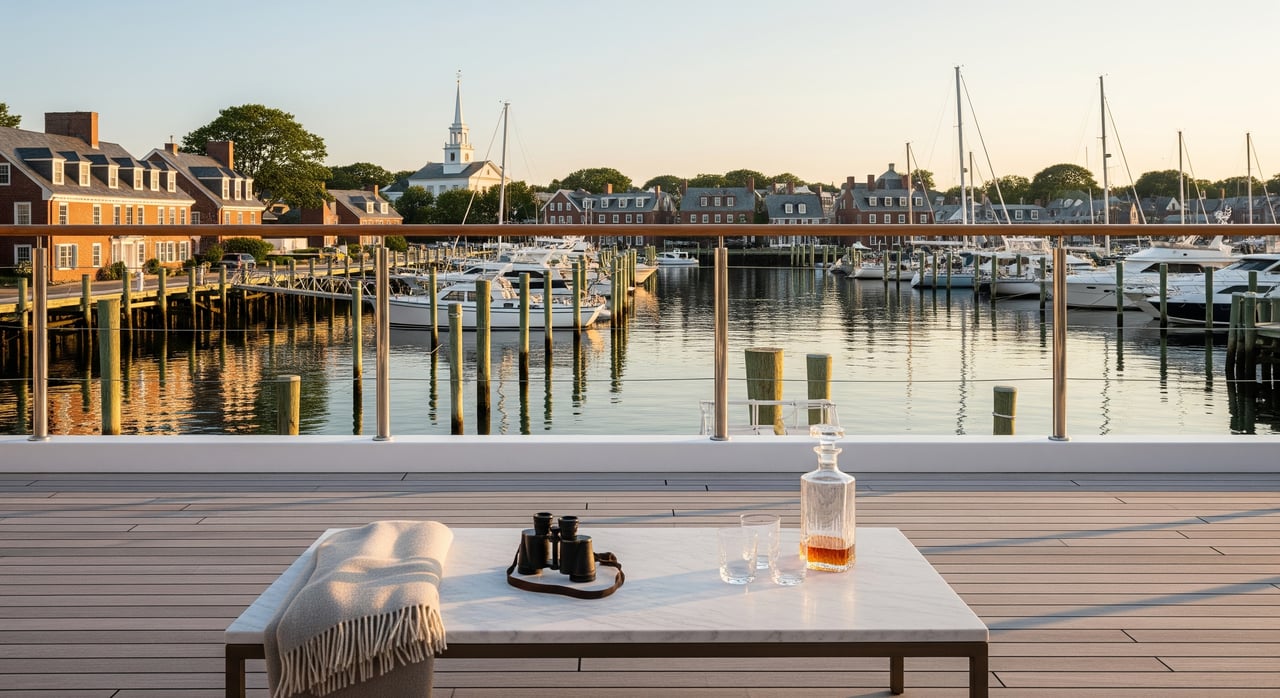
Do you picture morning coffee with harbor views, or do you want to step into shops and restaurants the moment you lock your front door? In Newport, both waterfront and downtown living offer a distinct rhythm to your day, and each shines in different ways. Choosing between them comes down to how you like to move, relax, entertain, and even where you plan to park. In this guide, you’ll see how these areas compare for daily life, walkability, marina access, parking, housing types, and touring strategies so you can buy with confidence. Let’s dive in.
Quick snapshot: how they differ
- Waterfront living centers on marine access, views, and recreation. You’ll find promenades, yacht activity, and scenic routes like Ocean Drive and Cliff Walk edges. Day-to-day errands may require short drives.
- Downtown living focuses on a compact pedestrian core. Thames Street and adjacent blocks concentrate dining, boutiques, and services for year-round convenience.
- Both areas are busy in peak season. Parking is limited on summer weekends and event days; permits and municipal lots help, but demand spikes.
- Boating access varies. Some properties include private docks or moorings. Many owners use private marina slips or municipal moorings with separate fees and potential waitlists.
- Housing differs. Waterfront skews to higher-value single-family homes and luxury or wharf condos with premium maintenance and insurance. Downtown offers smaller condos, apartments above retail, and historic townhomes with a walkable, lower-maintenance lifestyle.
Daily life: what it feels like
Waterfront rhythm
Waterfront living brings you close to boating, fishing, and harborfront dining. Many homes offer views and quick access to marinas or yacht clubs. Expect a mix of calm mornings and busier afternoons when visitors arrive and harbor traffic increases. You’ll likely drive for bigger errands, especially outside the wharf hubs, and plan for higher maintenance due to salt and moisture exposure.
Downtown energy
Downtown living puts you steps from restaurants, galleries, and everyday services. It’s lively most evenings and weekends, with a strong pedestrian vibe. Residential blocks just off the commercial streets can feel quieter while keeping you close to the action. Building maintenance is more typical of urban, older housing stock rather than heavy marine exposure.
Walkability and errands
Downtown core convenience
In the commercial core and nearby residential blocks, you can complete many errands on foot. Short blocks, active sidewalks, and a good mix of retail and services make daily life simple without a car.
Waterfront access points
Wharf areas like Bowen’s and Bannister’s are very walkable for dining and strolling, but they are linear and tourist-heavy. Connecting to supermarkets or certain services often means a short drive. Along Ocean Drive and the Cliff Walk edges, walking is scenic and recreational rather than practical for errands.
Boating and marina logistics
Waterfront buyers often prioritize where they will keep a boat. Options range from private docks and deeded rights to private marina slips or municipal moorings.
- Private docks or piers: If a property includes dock rights, you’ll want to confirm permits and any conditions. The Rhode Island Coastal Resources Management Council provides guidance on shoreline permitting and coastal rights.
- Private marina slips: Many waterfront condos and nearby marinas offer seasonal slips for a fee. Slip size, amenities, and availability vary, and waitlists are common.
- Municipal moorings and transient slips: Public programs may offer short-term options with posted fees and rules. Policies can change year to year, so verify details with local harbor management.
Practical steps:
- Confirm slip or mooring availability for your boat size.
- Review seasonal contracts, fees, and marina services like fuel, pump-out, and winter storage.
- If you plan dock work, consult CRMC and the city’s harbor office on permits and timelines.
Parking, traffic, and event impacts
Summer brings more visitors, sailing events, and festivals, which affect both waterfront and downtown. Downtown and wharf streets use a mix of metered parking, municipal lots, and delivery/loading zones. Nearby neighborhoods may require residential permits. For official programs and updates, check the City of Newport.
Event calendars matter. Big weekends can tighten parking and slow travel speeds across the harborfront and commercial core. To understand seasonal patterns and major happenings, explore Discover Newport for current events and peak periods.
Tips to manage parking:
- Ask sellers or property managers about typical parking options, including any deeded spaces or garage access.
- If street parking is common, verify permit requirements and guest rules.
- Visit during peak times to see real-world congestion and parking turnover.
Housing types and buyer considerations
Waterfront options
- Wharf condos and mixed-use buildings
- Single-family waterfront homes with shoreline access
- High-end condos with harbor views and amenities
- Renovated historic or newer luxury infill
Key considerations:
- Flood risk and elevation, including FEMA flood zone status
- Seawall, bulkhead, and shoreline conditions
- Insurance premiums for coastal exposure
- HOA rules on docks, slips, and boat storage
Downtown options
- Small historic condos and apartments above retail
- Townhomes and row houses near the commercial core
- Multi-family conversions and newer infill condos
Key considerations:
- Noise near restaurants and bars
- Parking availability or permit needs
- Historic district rules that may affect exterior changes
Flood, insurance, and coastal resilience
If you are considering a waterfront home, verify flood exposure early in the process. The FEMA Flood Map Service Center can help you locate flood zones and inform insurance needs. Long-range planning often references sea-level rise scenarios. For context and tools, review NOAA’s Sea Level Rise Viewer to understand potential future conditions.
Questions to ask:
- What is the property’s current FEMA flood zone and elevation?
- Are utilities elevated and are flood vents installed?
- What are the current homeowner’s and flood insurance costs, and are there prior flood claims?
- Are there CRMC permits for existing docks or shoreline structures, and are they current?
Ownership costs and maintenance
Waterfront ownership often includes higher budgets for exterior upkeep due to salt and moisture exposure. You may also need to plan for seawall or shoreline maintenance. Insurance can be higher, and some associations manage marina operations with separate assessments. Downtown condos may have steadier maintenance and insurance patterns, but you should still confirm reserves, recent special assessments, and any building system upgrades.
Budgeting tips:
- Get insurance quotes for both homeowner’s and flood policies before finalizing an offer.
- Review HOA documents, reserve studies, and recent assessments.
- If the property includes marine infrastructure, get a marine-focused inspection to estimate near-term and long-term costs.
How to tour like a local
See each location at different times and seasons to understand the true feel.
- Weekday vs. weekend: Downtown patterns shift on weekends with increased foot traffic. Wharf areas get busier during events and sunny days.
- Off-season check: Late fall to early spring shows you year-round noise, parking ease, and which services stay open.
- Morning, afternoon, evening: Compare sun angles, views, and how restaurant or bar activity changes at night.
Bring a checklist for waterfront tours:
- Signs of past flooding and whether utilities are elevated
- Dock or pier condition, access rights, and water depth at low tide
- HOA or marina rules, slip fees, and waitlists
- Proximity to essentials like grocery, pharmacy, and transit
- Parking arrangements, including any deeded space or guest options
For downtown-focused buyers:
- Walk a few blocks off the commercial strip to find quieter streets
- Note delivery times and trash pickup schedules on narrower roads
- Listen during evening hours to gauge typical noise levels
Which lifestyle fits you?
Choose waterfront if you value:
- Daily connection to the harbor and boating
- Scenic walks, sunrise or sunset views, and proximity to marinas
- Willingness to plan for higher maintenance and insurance
Choose downtown if you value:
- Doorstep access to dining, shops, and services
- A compact, walkable routine with fewer car trips
- A wider range of smaller, lower-maintenance housing options
Either way, align your choice with how you spend time. If your ideal day starts on the water and ends on a deck watching harbor lights, the waterfront may be worth the extra upkeep. If you want to leave the car parked for days and live in the center of it all, downtown will likely be your fit.
Work with a Newport expert
Buying in Newport’s waterfront or downtown core is as much about lifestyle as it is about property details. Permits, flood maps, HOA rules, and marina logistics all add layers that are easier to navigate with a local guide. If you prefer a streamlined process, ask about our Digital Buyers Consult for remote-friendly planning, virtual tours, and clear next steps from first look to closing.
Ready to explore with a local advisor backed by a high-performing team? Connect with Devin Sheehan to compare neighborhoods, clarify marina options, and create a buying plan that matches your lifestyle and timing.
FAQs
Is waterfront or downtown better for year-round errands in Newport?
- Downtown offers the most walkable access to everyday services, while waterfront stretches are scenic and activity-focused but often require short drives for full errands.
How can I confirm flood risk for a waterfront home in Newport?
- Use the FEMA Flood Map Service Center to check flood zones, then review elevation certificates and ask for insurance quotes to understand costs.
What should I verify if a property advertises dock rights?
- Confirm deeded rights and permits, and review shoreline or dock approvals with the Rhode Island CRMC and local harbor management before you rely on access.
How busy does parking get in peak season downtown and on the wharves?
- Summer weekends and event days can be very tight. Review programs and updates with the City of Newport and plan for permits, municipal lots, or assigned spaces.
Where can I see Newport’s event schedule to gauge congestion?
- Check Discover Newport for festivals, sailing events, and seasonal happenings that influence traffic and parking patterns.
What kind of homes dominate each area in Newport?
- Waterfront areas feature single-family waterfront homes and luxury or wharf condos with higher maintenance and insurance, while downtown offers smaller condos, apartments above retail, and historic townhomes for walkable living.