Ever wondered what Block Island feels like after the last summer ferry pulls away? If you love the coastline but crave day-to-day reliability, you’re asking the right questions. In this guide, you’ll learn how transportation, supplies, healthcare, utilities, seasons, and housing really work for year-round residents. You’ll come away with a practical checklist and clear tradeoffs to help you decide with confidence. Let’s dive in.
Block Island at a glance
Block Island is the Town of New Shoreham, a self-governed island community with municipal services. The year-round population is small at roughly 1.4K residents based on the 2020 Census. In late spring through early fall, seasonal visitors and part-time owners expand the population many times over. That seasonal swing shapes everything from business hours to traffic patterns.
Ferries, flights, getting around
The ferry is your main link for people, vehicles, and freight. Sailings run all year with fewer trips in winter and more in summer. Weather can interrupt service, so you should plan for delays during fog, high seas, or storms.
The Block Island State Airport offers small-aircraft and commuter flights at times. Air can be a helpful backup, but it also depends on weather and has limited capacity. On-island, distances are short, and many residents walk, bike, or use small vehicles. Summer brings traffic and tight parking near harbors and beaches.
Tip for buyers: ride the ferry on an off-peak day, learn the winter schedule, and test the vehicle reservation process before you commit.
Groceries and essentials
You will find small full-service markets and specialty shops, but selection is narrower and prices can be higher than the mainland. Many residents stock up, use bulk runs to the mainland, or rely on parcel delivery for staples. Deliveries can slow down in rough weather, so a simple pantry plan goes a long way. For hardware, major appliances, or specialized services, expect occasional mainland trips.
Healthcare and emergency services
The island offers local primary care and urgent services for routine needs. For hospital-level care, patients travel to the mainland by ferry, ambulance boat, or air medevac depending on urgency, weather, and time of day. This makes emergency planning a real consideration compared with mainland living. Public safety is anchored by a small police department with volunteer fire and EMS, supported by mutual aid agreements.
Utilities, internet, and waste
Electric service follows regional standards, but storm-related outages can take longer to resolve. Many homes use town water; some rely on wells. Septic systems are common, so confirm capacity and inspection history during due diligence.
Trash and recycling follow local collection and transfer station rules, which can be more limited than a mainland schedule. Internet is available through wired and wireless providers, with satellite as an option. Coverage can vary by location, so verify speeds at the specific property. Heating is typically oil, propane, or electric. Backup power is a smart upgrade for storm season.
Housing types and where to look
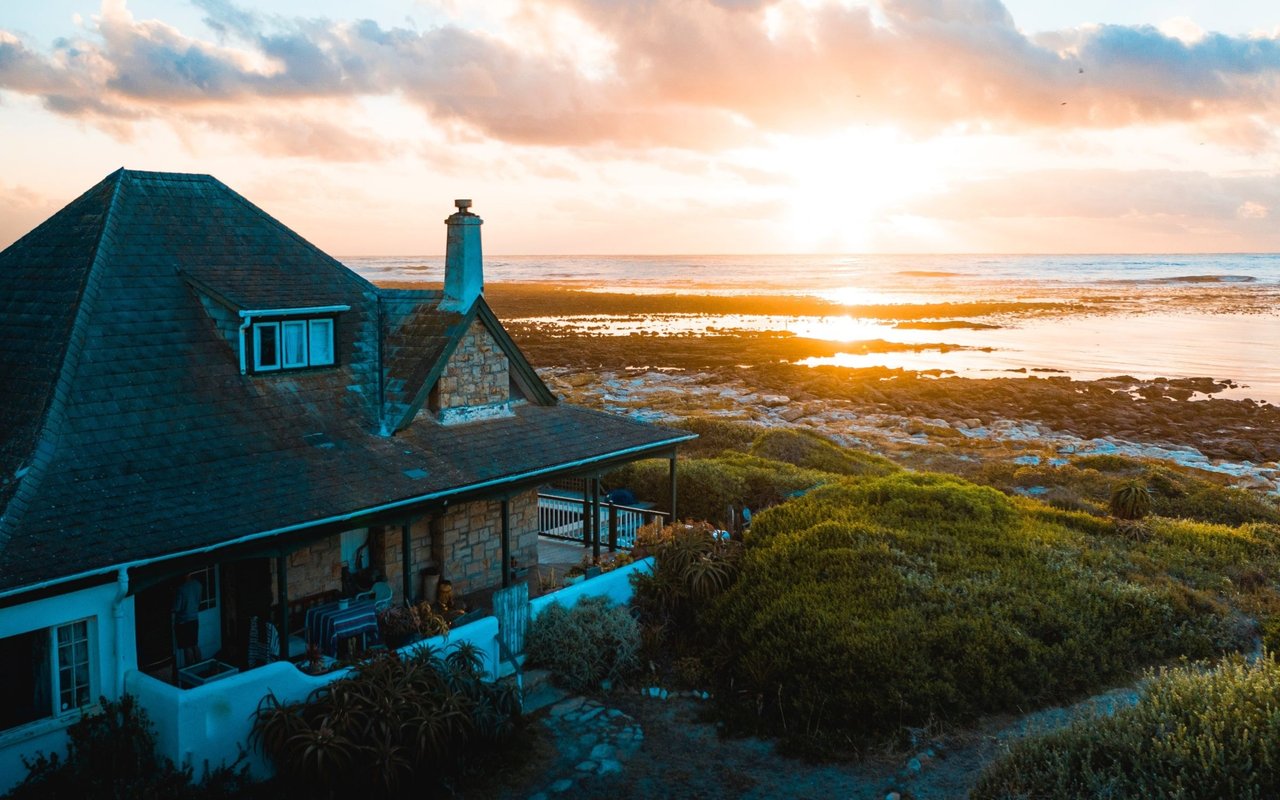
You’ll mostly see single-family cottages and homes, including some properties originally built for seasonal use that have been adapted for year-round living. Condos and small multi-unit properties exist, but density remains low due to zoning and lot sizes. Waterfront and harbor-area homes are prized for access and views, and they are more exposed to weather and flood risk. Inland homes can feel quieter and may offer cost savings.
Inventory is thin by nature, and seasonal demand from second-home buyers shapes pricing. Expect competition for well-located properties in popular price bands, especially in warmer months.
Maintenance, insurance, and permitting
Coastal conditions accelerate wear on siding, metals, and HVAC systems. Plan for proactive maintenance and salt-resistant materials. Insurance is a bigger line item for many owners, with wind or hurricane coverage and higher deductibles common. Properties in flood zones may need separate flood insurance through the NFIP or a private carrier. If you’re planning renovations or rentals, check local permitting, septic rules, shoreline setbacks, historic district requirements, and short-term rental regulations with the Town offices.
Costs you should plan for
Goods and services often cost more due to transportation and seasonal demand. Utility and heating expenses can be higher than on the mainland. Work with your agent to review recent utility bills and request insurance quotes early. For taxes, look up the Town of New Shoreham’s current rates and any exemptions available for year-round residents.
Seasons and weather risks
Summer brings energy, events, full dining options, and plenty of social time. It also brings crowds, reservations, and the need to plan ahead. Winter is quiet. Many seasonal businesses close or reduce hours, ferries run on reduced schedules, and you will plan shopping and appointments more carefully.
Coastal weather matters. Nor’easters, winter storms, and hurricane season from June to November can deliver high winds, flooding, and erosion. Residents often keep an emergency kit, backup heat or power, and a basic evacuation plan. If you are considering a home near bluffs or beaches, review flood maps, elevation, and shoreline change.
Remote work reality
Year-round residency has become more feasible for remote workers who can manage schedules around ferries and weather. The key is broadband reliability at your exact address and a plan for occasional outages. Verify service options, run a speed test during a showing, and have a backup hotspot or workspace plan for critical days.
House-hunting checklist
Use this quick list to pressure-test year-round life before you buy:
- Spend 24 to 48 hours on-island in both summer and the off-season to feel the contrast.
- Take the ferry at peak and off-peak times. Try a vehicle reservation if you plan to keep a car here.
- Visit the grocery store, pharmacy, clinic, and post office to check hours and availability.
- Confirm internet providers and speeds at the property. Ask neighbors about real-world performance.
- Review heat, electric, septic, roof, and exterior maintenance history. Request recent utility bills and insurance quotes.
- Check FEMA flood maps, elevation, and shoreline conditions if the home is near bluffs or beaches.
- Speak with the Town Building and Zoning office about permit history, septic rules, shoreline setbacks, and any rental regulations.
- Meet local residents and volunteers. Scan the community calendar to understand off-season life.
Is year-round life right for you?
If you value a close-knit community, coastal access, and a slower winter pace, Block Island can be very rewarding. You will trade some convenience and predictability for natural beauty and a strong civic culture. The key is planning. When you prepare for weather, schedules, and maintenance, daily life becomes straightforward.
If you want a step-by-step plan for touring homes and understanding insurance, utilities, and permitting, reach out to Devin Sheehan. You can leverage a Digital Buyers Consult and remote tour options to move at your pace.
FAQs
How reliable is winter ferry travel to Block Island?
- Ferries run year-round on a reduced schedule, but fog, high seas, or storms can cause delays or cancellations, so you should keep backup plans.
Are there schools for children on Block Island?
- Yes. New Shoreham operates local K–12 schooling with small enrollment; extracurricular options are more limited than larger mainland districts.
What healthcare is available on Block Island?
- Routine care and first response are available locally; hospital-level care requires transport to mainland facilities by ferry, ambulance boat, or air medevac.
Is remote work feasible year-round on Block Island?
- Yes for many roles, provided you confirm broadband reliability at the property and have contingency plans for power or internet outages.
What insurance do island homeowners typically need?
- Expect higher coastal premiums, wind or hurricane coverage, and flood insurance where required by NFIP maps or your lender.
Are condos available on Block Island?
- A limited number exist, but most housing is single-family. Zoning and lot sizes keep density low compared with mainland towns.